The Iran–U.S.–Israel Conflict and Its Implications for Afghanistan, the Region, and the World
The Deeper Dimensions of the Afghanistan Pakistan Crisis.
Afghanistan: Not a Launchpad for Conflict, but a Hub for Connectivity and Cooperation
Afghanistan has made a commitment: it won’t let its land be used as a starting point for conflict. At the same time, it’s eager to be seen for what it can become — a center for connectivity, a bridge linking different regions, and a partner in prosperity.
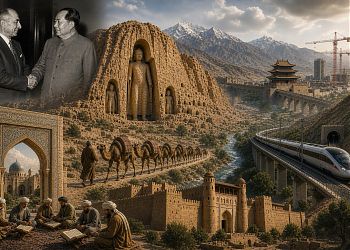
Afghanistan Set to Play a Key Role in China’s Belt and Road BRI Vision
The event reflected a growing agreement that with a clear strategy and international cooperation, Afghanistan could evolve from being a passive observer to a key player in the Belt and Road vision.
From Superpower to Solo Power: The Tariff-Driven Fall of U.S. Influence
The era of U.S. unchallenged economic supremacy is ending. The multipolar world that most analysts have predicted for decades is no longer something that one day might be the case—it's the world now.
Afghanistan and the Shanghai Cooperation Organization: Partners for Growth and Stability
Given the current situation, the first step should be reactivating Afghanistan’s observer status in the SCO. Formal recognition of Afghanistan’s government could follow later, based on the evolving realities on the ground.
The Afghanistan Institute for Strategic and Regional Studies (AISRS) is a pioneering institution dedicated to advancing scholarly discourse, research, and collaboration on critical regional issues. Founded in Kabul, Afghanistan, AISRS serves as a catalyst for dialogue and cooperation among nations, policymakers, scholars, and stakeholders across Central Asia, South Asia, and beyond.
The Role of AISRS in Advancing Connectivity in Afghanistan
The Afghanistan Institute for Strategic Studies (AISRS) plays a pivotal role in promoting connectivity and fostering regional cooperation through its multifaceted approach encompassing research, analysis, seminars, and advocacy.
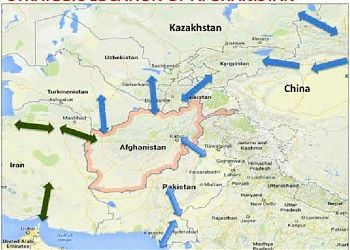
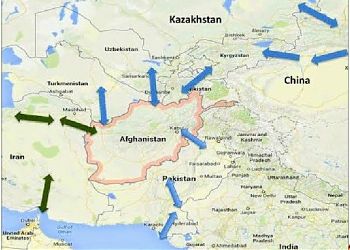
Interconnected Horizons: Afghanistan's Geographical Significance and Connectivity
Afghanistan’s geographical significance lies not only in its strategic location but also in its diverse terrain, rich natural resources, and historical trade routes. This paper explores Afghanistan's unique geographical importance and its role in fostering connectivity across the region.
Afghanistan: A Tapestry of Coexistence, Friendship, and Peace
Afghanistan has long been celebrated as a land of rich cultural diversity, vibrant history, and enduring resilience. Despite its tumultuous past and present conflicts, Afghanistan's essence lies in its capacity for coexistence, friendship, and peace, rooted in the tapestry of its diverse cultural heritage.
Interconnected Horizons: Afghanistan's Geographical Significance and Connectivity
Afghanistan’s geographical significance lies not only in its strategic location but also in its diverse terrain, rich natural resources, and historical trade routes. This paper explores Afghanistan's unique geographical importance and its role in fostering connectivity across the region.
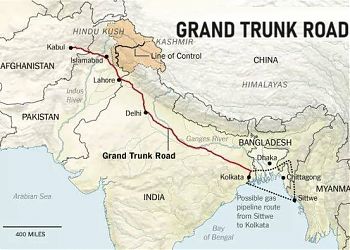
The Grand Trunk Road (GT Road): A Historical Highway of Harmony and Heritage
Built by the visionary Afghan ruler Sher Shah Suri during the 16th century, the road connected the bustling cities of Kolkata in India to Kabul in Afghanistan, traversing diverse landscapes and linking diverse communities
The Global Development Initiative: Advancing Sustainable Growth in South and Central Asia
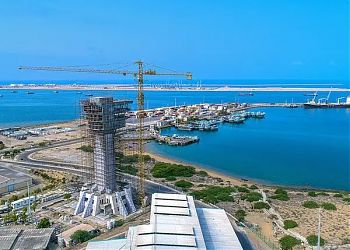
India’s Takeover of Iran’s Chabahar Port: Transforming Regional Connectivity and Trade Dynamics