
Weekly Analysis: Editorial Team
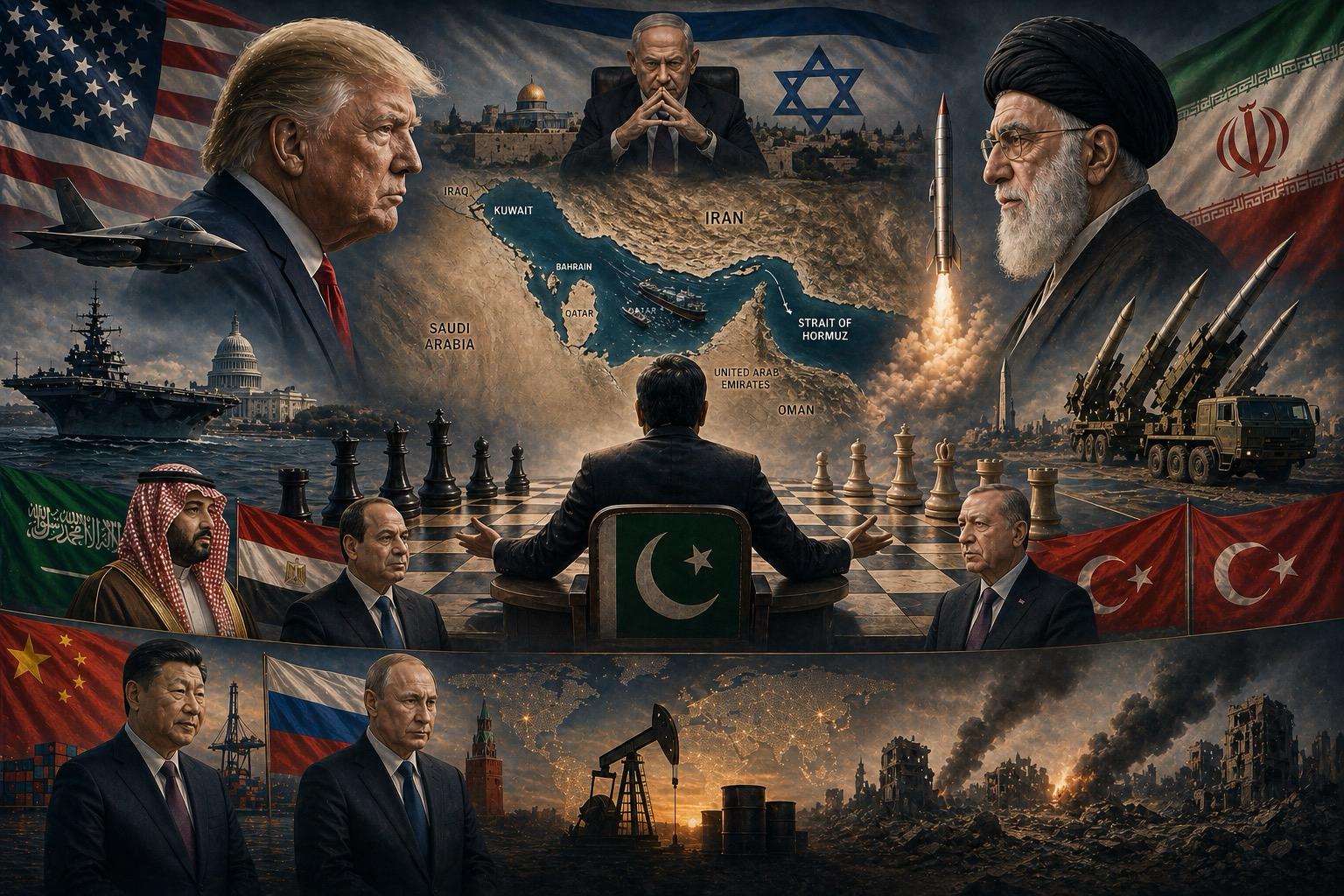
Diplomacy between Iran and the United States is back on the table, but the careful tone surrounding these discussions hints at a more complex reality. There’s active engagement, intermediaries are stepping in, and the public messaging is quite measured. However, underneath all this activity lies a significant hurdle: the current negotiations are unlikely to lead to a lasting agreement. This is mainly because both sides are stuck in their maximalist positions. Meanwhile, Pakistan’s increasing role as a mediator could pull it deeper into a strategic rivalry that it neither controls nor can easily escape.
This situation isn’t a failure of diplomacy per se. Instead, it highlights the challenges of negotiation when fundamental interests, perceptions of power, and the stakes of conflict are so misaligned.
The Persistence of Maximalism
At the core of the current deadlock is a well-known challenge. The United States continues to set its expectations broadly, looking beyond just the nuclear issue to also include Iran’s missile program and its regional stance. In turn, Iran is pushing for comprehensive sanctions relief, security guarantees, and acknowledgment of its sovereignty and strategic role.
These aren’t just minor differences—they represent fundamentally opposing goals. Both sides think they have the upper hand. From a traditional perspective, the United States has overwhelming superiority, backed by unmatched military strength and global alliances. Yet, experience in the region shows that conventional dominance doesn’t always lead to favorable political outcomes.
Asymmetry and the Logic of Survival
Iran’s strategy showcases a unique way of thinking. Even though it has faced significant losses in leadership and infrastructure, the country has shown remarkable resilience and adaptability. Instead of fighting on equal terms, Tehran opts for asymmetric tactics—making the cost of confrontation higher while steering clear of a definitive defeat. This approach aligns with broader insights in strategic studies, which suggest that weaker players often aim to prevent stronger opponents from claiming victory rather than seeking outright success.
How each side views the stakes is equally crucial. For the United States, this conflict is a strategic choice. In contrast, for Iran, it’s deeply tied to the survival of its regime. As Thomas Schelling pointed out, when actors face existential threats, they are less likely to back down and more inclined to endure significant costs.
Thus, Iran’s leverage goes beyond just military strength. It encompasses internal unity, strategic patience, and a geographical edge. Its closeness to the Strait of Hormuz—a vital global energy route—enables it to sway international markets and heighten the global stakes of any escalation. Given these circumstances, it seems unrealistic to expect Iran to yield to maximalist demands under pressure.
Pakistan’s Mediation: Between Agency and Constraint
Pakistan stepping into the role of mediator highlights both its diplomatic ambitions and strategic needs. Islamabad is juggling a complex web of relationships. Its long-standing connections with Saudi Arabia create expectations for alignment, while its geographical closeness to Iran makes stability along its western f essential. Mediation provides a way to navigate these competing pressures without fully committing to either side.
There’s also an external factor at play. As initial hopes in Washington about the conflict’s direction turned out to be overly optimistic, the demand for intermediaries grew. With access to both parties, Pakistan emerged as a practical channel for dialogue. The involvement of figures like Asim Munir emphasizes the seriousness of this role.
Mediation without any leverage has its limits. Pakistan simply doesn’t have the means to push either side toward a compromise. Its role is more about facilitating discussions than making decisive moves.
This brings up a more complicated question: is the United States, whether on purpose or not, shifting some of the diplomatic responsibilities onto regional partners like Pakistan? Bringing in intermediaries can be a smart move, but it might also be a way to keep the pressure on Iran while minimizing direct U.S. involvement. In this situation, Pakistan could end up being a channel for expectations it just can’t meet. If negotiations hit a wall—as the current situation suggests they might—the reputational and political fallout could land more heavily on intermediaries than on the main players.
Regional Drivers and Diverging Objectives
The larger regional landscape makes the chances of a negotiated settlement even trickier. Israel’s influence on U.S. policy is a significant factor. While both countries are strategically aligned, their immediate goals don’t always align perfectly. From Israel’s viewpoint, rushing to a settlement could be risky. If Iran comes out of this confrontation relatively unscathed, it might strengthen its position as a more assertive regional power, boosting its military capabilities and influence.
Moreover, some in Israeli strategic circles believe that shifts in global power dynamics might call for a more aggressive stance. This could lead to a preference for ongoing pressure rather than a quick compromise, and in some cases, it might even involve unilateral actions that could escalate tensions, regardless of any diplomatic progress.
These dynamics don’t indicate a breakdown in the alliance, but they do reveal differences in timing, risk tolerance, and what each side considers an acceptable outcome.
Meanwhile, the positions of China and Russia are also crucial to consider. Both countries see Iran as a crucial player in maintaining regional stability and are unlikely to back any moves that would significantly undermine Tehran.
The U.S., domestic political factors further limit the potential for compromise. The leadership dynamics, particularly those tied to Donald Trump, often push for quick resolutions. However, diplomacy that is driven by urgency and extreme demands seldom leads to lasting agreements.
These factors put Pakistan in a tough spot. If Islamabad gets too aligned with U.S. expectations and tries to pressure Iran, it risks upsetting its western f. On the other hand, if it pushes for a more balanced stance, it might face backlash from Washington. As Henry Kissinger pointed out, managing relationships with major powers requires a delicate touch. For Pakistan, this balancing act is becoming increasingly challenging. Essentially, Pakistan’s role in mediation is less about solving the conflict and more about managing its own vulnerabilities.
These dynamics also have significant implications for Pakistan’s immediate surroundings, especially its ties with Afghanistan. If the current crisis teaches us anything, it’s that maximalist strategies have their limits in complex strategic situations. Policies based on pressure and zero-sum thinking tend to extend instability rather than resolve it.
For Pakistan, building a relationship with Afghanistan isn’t just a nice-to-have; it’s a crucial part of its strategy. A stable western front helps to minimize security risks, alleviates economic strains, and allows Pakistan to focus more on the bigger regional issues at hand. On the flip side, ongoing tensions could worsen Pakistan’s vulnerabilities, especially as it juggles its complex ties with Iran, India, and other major players.
The message is clear. Just as overly ambitious approaches have hindered global progress, similar tactics at the regional level are unlikely to yield lasting results. A move towards practical engagement and recognizing each other’s concerns could pave a more promising path ahead. In a region as interconnected as this one, stability isn’t just a luxury—it’s a necessity.
Conclusion: Managing Tension in a Constrained Environment
When you look at the bigger picture, it becomes evident that the ongoing Iran-U.S. talks probably won’t lead to a comprehensive or enduring agreement. Instead, we can expect a continuation of managed tension—occasional interactions aimed at preventing escalation rather than truly resolving the core issues.
For Pakistan, this moment is pivotal. Its role as a mediator boosts its diplomatic significance but also exposes it to various competing pressures and potential pitfalls. The stakes are high for the entire region. Ongoing confrontations could deepen instability, disrupt economic activities, and heighten geopolitical rivalries.
In this scenario, diplomacy is crucial—but it needs to be rooted in realism.
Afghanistan, like many of its neighbors, has a strong and consistent interest in maintaining stability. It wholeheartedly backs any genuine diplomatic efforts aimed at de-escalation and peaceful resolutions. At a time when the region can’t afford more conflict, the focus must be clear: keep the dialogue going, prevent escalation, and strive for a more stable regional order.