
By: AISRS Editor
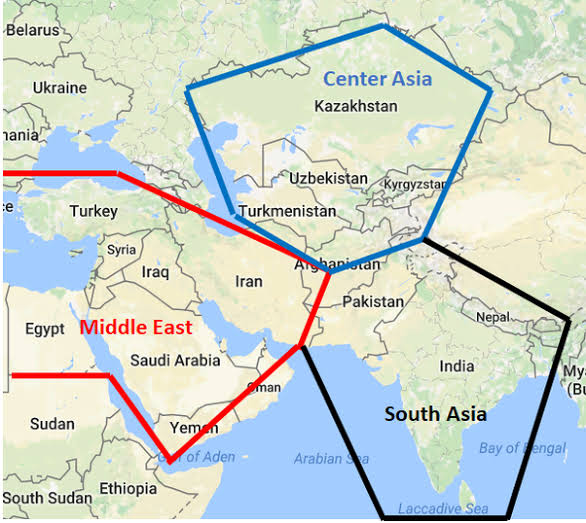
In the bustling corridors of South and Central Asia, the quest for regional connectivity stands as a beacon of economic prosperity and growth. As nations seek to bolster trade and commerce, the strategic nexus of Afghanistan emerges as a linchpin, seamlessly linking the energy-rich expanses of Central Asia with the burgeoning markets of South Asia. This article delves into the critical importance of regional connectivity in driving economic development and explores Afghanistan's pivotal role as a conduit for cross-border trade and transit.
At the heart of South and Central Asia lies a shared vision of harnessing regional connectivity to unlock untapped economic potential. The vast reserves of natural resources in Central Asia, including oil, gas, and minerals, present lucrative opportunities for export and investment. Conversely, the burgeoning consumer markets of South Asia, encompassing India, Pakistan, and beyond, offer a vast consumer base hungry for energy resources and goods.
Afghanistan, situated at the crossroads of these dynamic regions, emerges as a vital artery for regional connectivity. Its strategic location provides a natural corridor for trade and transit, facilitating the movement of goods, people, and ideas between Central and South Asia. However, realizing the full potential of Afghanistan as a conduit for regional connectivity requires concerted efforts to invest in infrastructure and railway links.
The recent strides made by Afghanistan in consolidating a powerful central government and improving security present a ripe opportunity for neighboring countries to bolster regional connectivity initiatives. With stability gradually taking root, the time is ripe for concerted action to invest in critical infrastructure projects that will pave the way for seamless cross-border trade and transit.
Investing in railway links holds particular promise in enhancing regional connectivity and fostering economic integration. Railways offer a cost-effective and efficient mode of transportation for goods and commodities, facilitating trade between landlocked Central Asian countries and the ports of South Asia. By linking Afghanistan's railway network with those of its neighbors, including Iran, Pakistan, Turkmenistan, and Uzbekistan, a robust regional transportation corridor can be established, bolstering trade and commerce across the region.
Furthermore, investment in infrastructure projects such as roads, highways, and border crossings is essential to overcome logistical bottlenecks and streamline the movement of goods and people. Improved border management and customs procedures will reduce transit times and transaction costs, making cross-border trade more attractive and competitive.
The benefits of enhancing regional connectivity extend beyond economic gains to encompass broader geopolitical and socio-economic dividends. By fostering closer economic ties and interdependence, regional connectivity initiatives promote peace, stability, and mutual prosperity. They lay the groundwork for enhanced cooperation and dialogue among neighboring countries, fostering trust and understanding that transcends borders.
Moreover, regional connectivity initiatives have the potential to spur inclusive growth and development, particularly in remote and marginalized areas. By connecting landlocked regions to regional and global markets, these initiatives create new opportunities for employment, investment, and socio-economic advancement, empowering communities and reducing poverty.
However, realizing the full potential of regional connectivity in Afghanistan and beyond requires a collective commitment from all stakeholders. Governments, international organizations, the private sector, and civil society must collaborate closely to overcome challenges and seize opportunities. Political will, financial resources, and technical expertise are essential ingredients for success.
In conclusion, Afghanistan's pivotal role as a roundabout of the region in fostering South and Central Asian regional connectivity holds immense promise for driving economic development and prosperity. As stability takes root and security improves, the time is ripe for neighboring countries to invest in critical infrastructure and railway links that will unlock Afghanistan's potential as a conduit for cross-border trade and transit. By harnessing the power of regional connectivity, nations can forge closer ties, promote peace and stability, and create a brighter future for generations to come.